The last seven and a half months have been full of growth for me. I moved from NC to the northeast, got married, bought a house, pushed through overtime at my job, and then was laid off in the middle of February—right after my 29th birthday.
This has had its ups and downs, but I personally think I'm managing everything pretty well! And I've been thinking a lot lately about how much that just boils down to: do the hard thing.
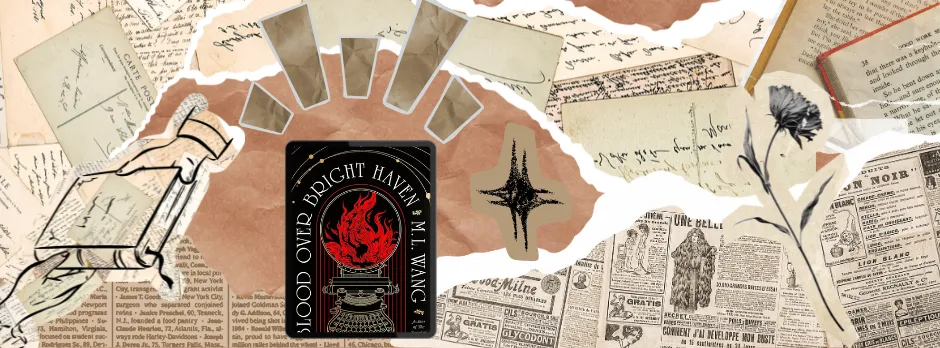
On Monday, my book club read and discussed my pick for the group: Blood Over Bright Haven by M. L. Wang. This is a brutal book, with powerful depictions of misogyny, bigotry, racism, colonization, sexual assault, and suicide. It asks readers to consider:
- intentions versus actions (I could write a whole essay on just this theme)
- the price of technological progress
- the way we offload the costs of that progress on the global south
- how ruling classes justify atrocities—to themselves and to their people
- how we turn humans into "others" to make ourselves comfortable with their oppression
One of the biggest questions my friends and I ended up circling around by the end of the discussion was the power of comfort, and what it takes to break people out of comfort in order to create positive change. I'm sure many of us can think of a time where we prioritized our comfort over something else—from breaking a boycott to cancelling plans cause we're tired or ordering from Amazon cause we just need something fast. I don't think anyone is inherently evil for making those decisions sometimes. We all do it, and no one is perfect all the time (and many times, there is no perfect answer anyways because we live in a capitalist society. If you haven't watched The Good Place yet, watch it).
But problems arise when we repeatedly and consistently prioritize our own comfort over the well-being of others. This looks like ignoring the BDS boycott list because "it's just too hard" or "it won't make a difference". This looks like not showing up for your friends because you can't be bothered to drive to their house or slightly inconvenience yourself for their sake. This looks like continuing to give money to J. K. Rowling by paying for Harry Potter IP (INCLUDING the fanfics that are being published. Yes, I'm serious.).
Spoilers: In Blood Over Bright Haven, this looks like the Tiranish people accepting the death of the Kwen and other people outside their city as the price for the comfort their magic provides.
I asked my friends what we can do to encourage people in our lives to accept even small inconveniences for the sake of a better world for all of us. We each had our own examples of when we'd seen people in our lives not make that effort, and ultimately, it boiled down to something deceptively simple: you have to do the hard thing.
One of my friends has lost a lot of weight by working out 7 days a week, doing cardio and weight lifting. One of my friends reads well over 100 books a year, a number many people think seems unbelievable. My husband is constantly learning about new fermentation projects (he made cheese last weekend!). And I've had some acquaintances comment on "how well" I'm handling my layoff.
For each of us, achieving these goals have required us to prioritize them and then follow through. We've made time, made sacrifices, in order to do these things—and a lot of the time, it's hard.
It's hard to get up at 7am and go to the gym even when the weather is bad.
It's hard to read every night before bed instead of scrolling on Instagram.
It's hard to try a new recipe or technique and know you might fail.
It's hard to actively push back on my depression and go volunteer, or work out, or whatever I'm doing that day to keep myself moving forward.
But the beautiful secret here is that it also gets easier.
I've talked before about boycotts and habits, how boycotts must be sustainable to work and how they become sustainable only when we build new, better habits around them. It's hard at first and then over time, you don't even think about it anymore. The same is true of any other habit.
All of us had heard some variant of, "I could never do that!". But you can!! You just choose not to. And sometimes that's okay—we don't all need to be making cheese or working out every morning. But I do believe that everyone needs to have something in their life that feels a little hard. Your hobbies should feel hard sometimes because you should be challenging yourself to grow and do better! (This goes hand in hand with accepting that you can and should be bad at your hobbies, too).
I'm a stronger person, in perseverance and confidence in myself, than I was 5 years ago. There was no secret tip, no magic advice that made any of it easier. It'd be nice if there was, right? We all want to believe that there's some secret insight that separates us from the people achieving their goals—that there's something different about them, that we have some valid excuse for not doing X thing. But the harsh truth is that there isn't. There's just people who decide to do it, and people who don't.
There's a stat that's floated around for awhile that says that roughly 80% of people want to write a book. Very, very few of them ever do—and of the ones that do, an even smaller number of them actually get published. But if you don't write the book? You're definitely not getting published.
The last time I was unemployed, it was for a year and a half. It was a fucking miserable year and a half. I was stressed, depressed, anxious. I wasn't staying active. I didn't get out and volunteer. I didn't take a part-time job that I might enjoy, even if it wasn't in my career field. I was barely reading, I wasn't writing at all, I wasn't even doing a good job of seeing my friends or playing with my cats.
When I got laid off last month, one of the first things I thought was, "I can't do that again". So I did the hard thing.
The day after, I touched up my resume, made a LinkedIn post, started networking, and applied to a few jobs. Then, once I'd gotten the ball rolling, I allowed myself to be sad, and angry, and frustrated. I took my time to feel it.
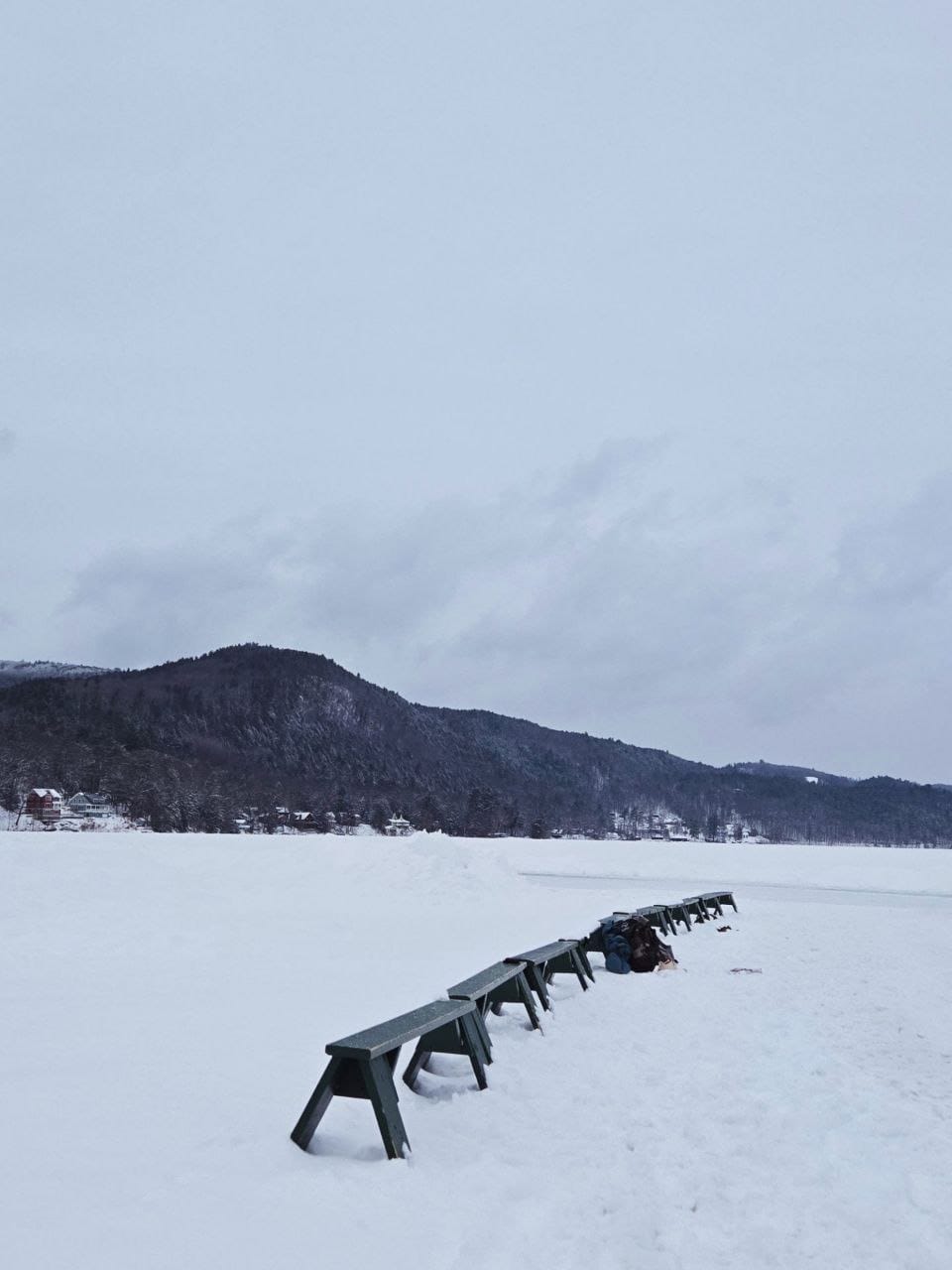
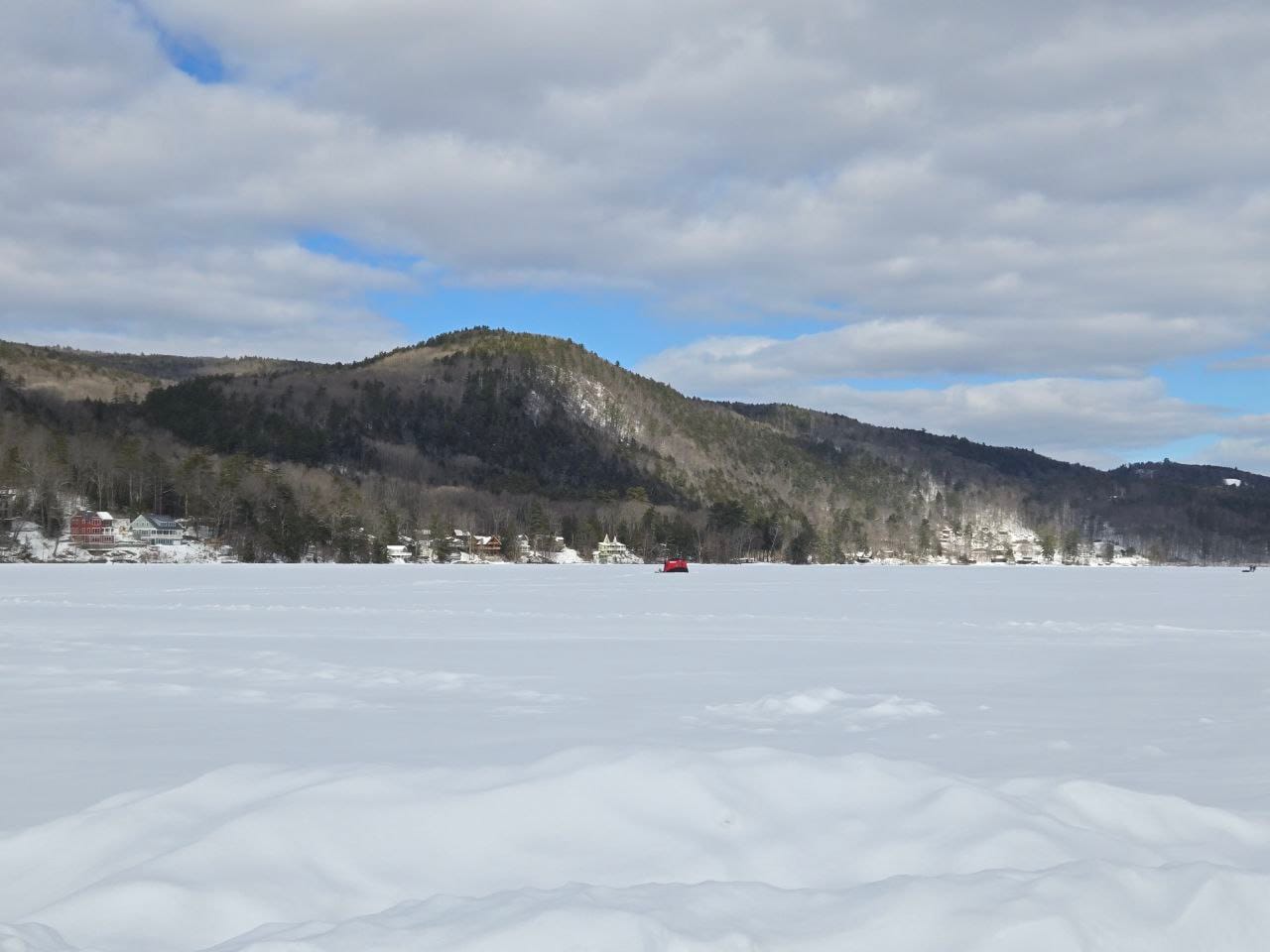
But I also went ice skating. I got a cup of coffee at my local coffeeshop and visited an outdoor skating path on a lake near my house. I stood in the below-freezing temperatures, trying not to cry, and I looked at the mountains and I moved my body and I breathed in the cold, fresh air. It was hard. I hated the idea of someone noticing how upset I was. Then when I took my skates off and walked back to my car, a woman stopped me and said that I'd looked so happy on the ice and it'd inspired her to keep skating more.
And I got in my car and cried. I felt sad, and small, and beat down. But I also felt better than I had before I went skating.
I'd be remiss if I didn't mention the immense amount of support my friends and loved ones have given me in the wake of my lay off. From care packages to check ins and invites to self-care pedicures, I've been able to handle this better because of the love and patience of the people around me.
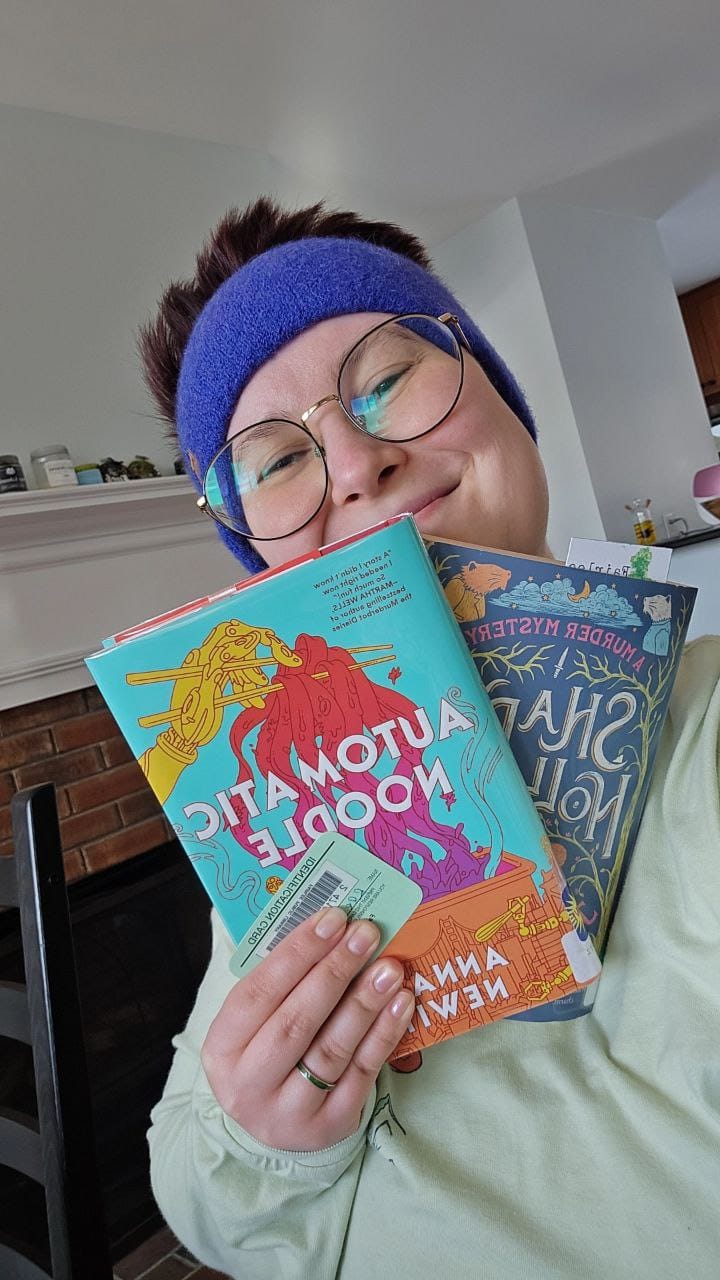
But it's also been my own strength that's kept me moving forward. I got up and choose to start volunteering at my local library (and then followed through and showed up every week since). I kept skating until it got to warm to skate on the lake, and then I found a local indoor rink to skate at instead. I learned how to play a new game, Magic the Gathering, and have thrown myself into playing with my friends as often as possible. I've said yes to getting coffee or getting out of the house even if I'd rather just lay in bed.
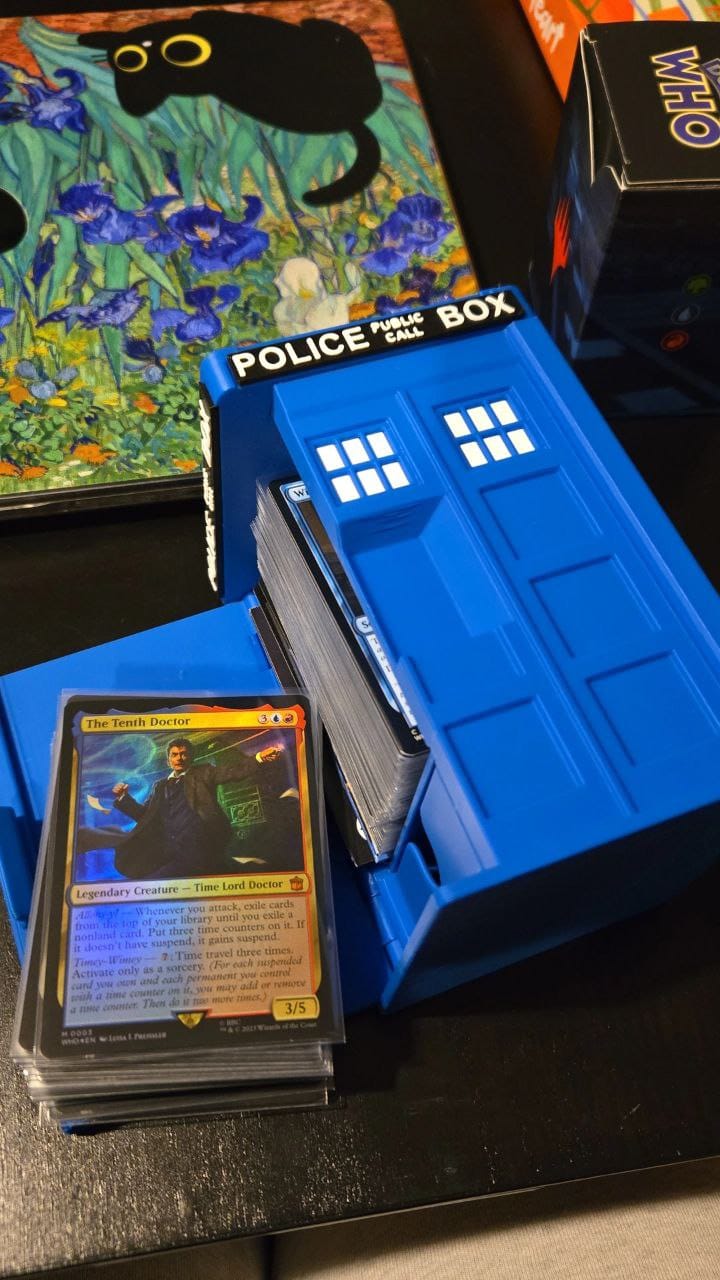

The last time I was unemployed, I didn't do a good job of taking care of myself—because it was hard. It was easier to lay around and let my depression grow. I knew better this time, and I pushed through the hard moments, and a month in I'm doing okay.
There's a good chance that I'm in this job search for the long haul, with how the job market is looking. Long-term unemployment of 6+ months is the norm even for qualified professionals right now. There's more hard moments ahead of me. But I know I have the strength and resilience to get through them.
So, how does this solve our broader problem: that most people won't sacrifice their comfort for the betterment of themselves or others, especially if they haven't learned that lesson the hard way before?
Honestly, we weren't totally sure. All of us admitted that at previous points in our lives, we didn't do the things we're doing now. I think all of us know that we learned our lesson the hard way and that we aren't immune to the desire for comfort.
As a group, my book club has talked about the power of social shame, and discussed that as a potential avenue. I've talked to several of my friends over the past few months about adjacent topics to this, and how I'm at a point in my life where I want to surround myself with people who care. I want people around me who care about other people, who care about the community and our country, who care about themselves, who care about putting in the effort to live a good and meaningful life—whatever that may look like to you. Call me judgmental, but I think it's sad and embarrassing when I meet people who can't be bothered to give a shit about anything.
We also discussed the need to be honest with others in our lives: if someone isn't putting in the bare minimum effort for a friendship but constantly expects you to be there for them, you should talk to them about it. Those conversations are another hard moment (and yet, just like everything else, I've found that it gets easier to expect more of your friendships and communicate that honestly as I've practiced it). Maybe the people in our lives who say "I can't imagine how you do that!" or "I could never" just need to be told "Actually, you can. You just have to do it" a little more.
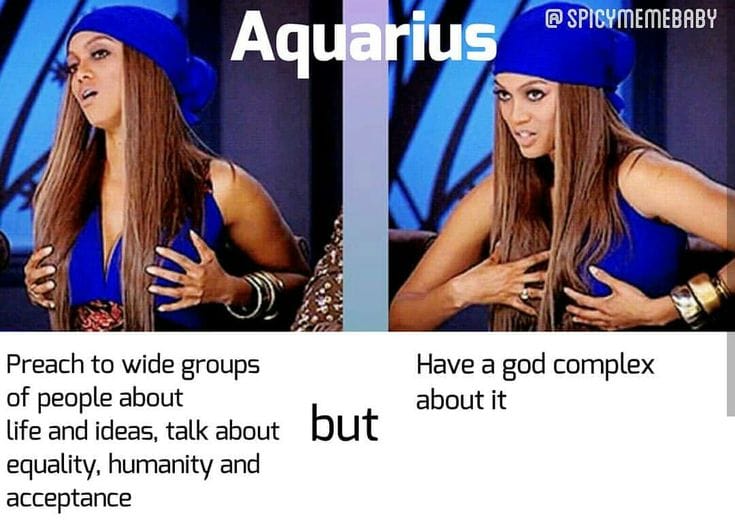
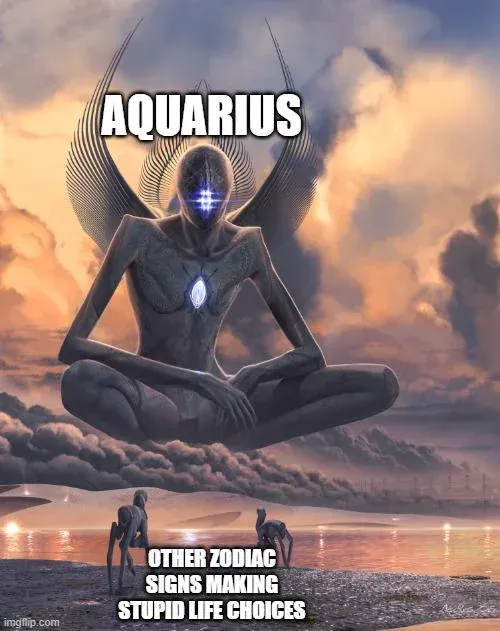
I'm not trying to make myself sound perfect, cause I'm far from it. But I do think the key is choosing to do the hard things more consistently than not. And if I sound a little superior about it, forgive me: I'm an Aquarius Sun, after all. God complexes are part of the deal.
Ultimately, we didn't have a clear or perfect answer. If you have thoughts, please share them! I genuinely think that our acceptance of comfort at the expense of other's well-being is a huge roadblock towards building a better world. If we're bringing it back to Blood Over Bright Haven, then one of the main theses of the book is that actions mean more than intentions, every time. It's easy for us to say we care about trans people, or protecting our right to read what we want, or that we want to abolish ICE. It's much harder to actually take action to support the things we believe.
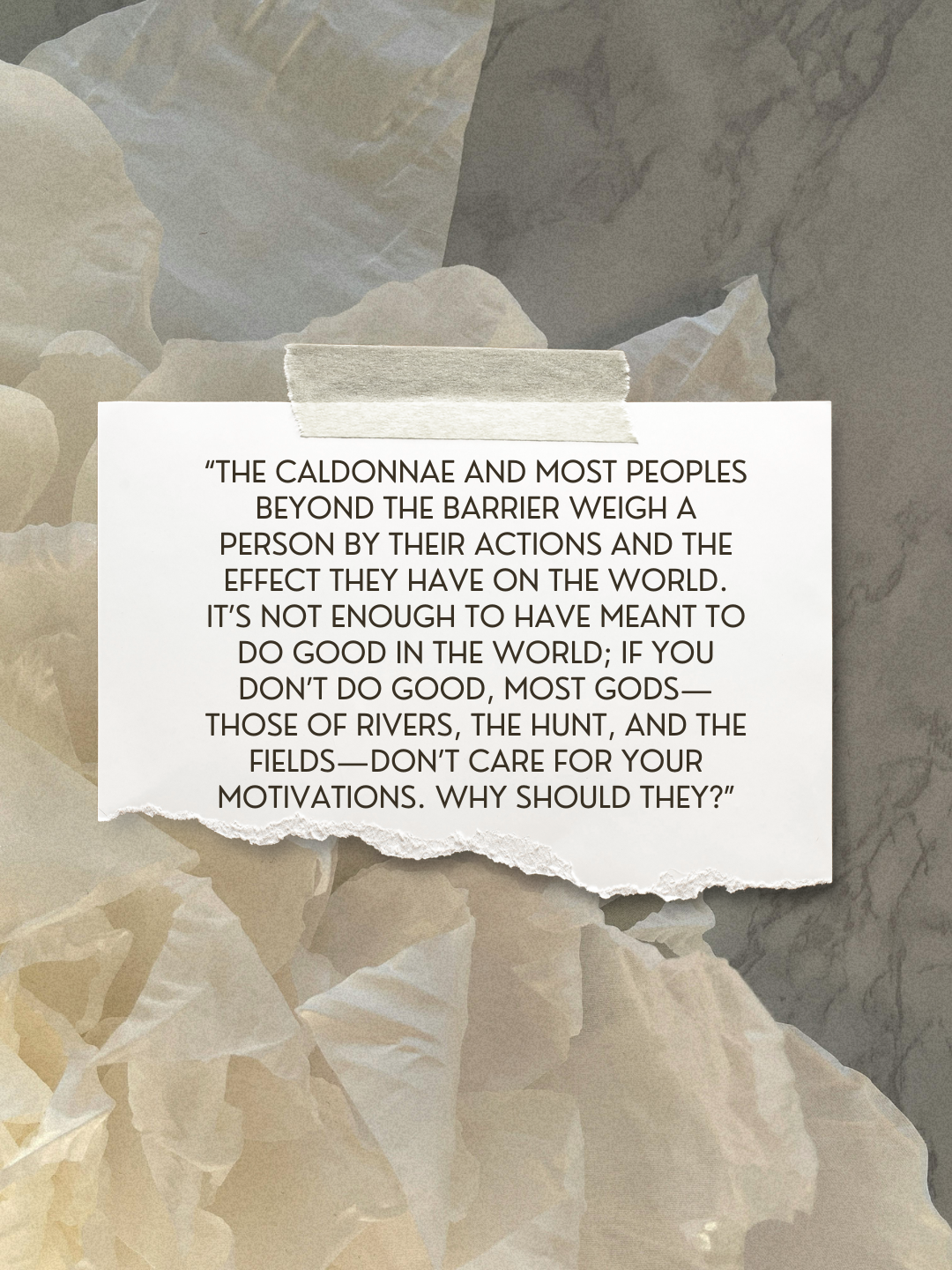
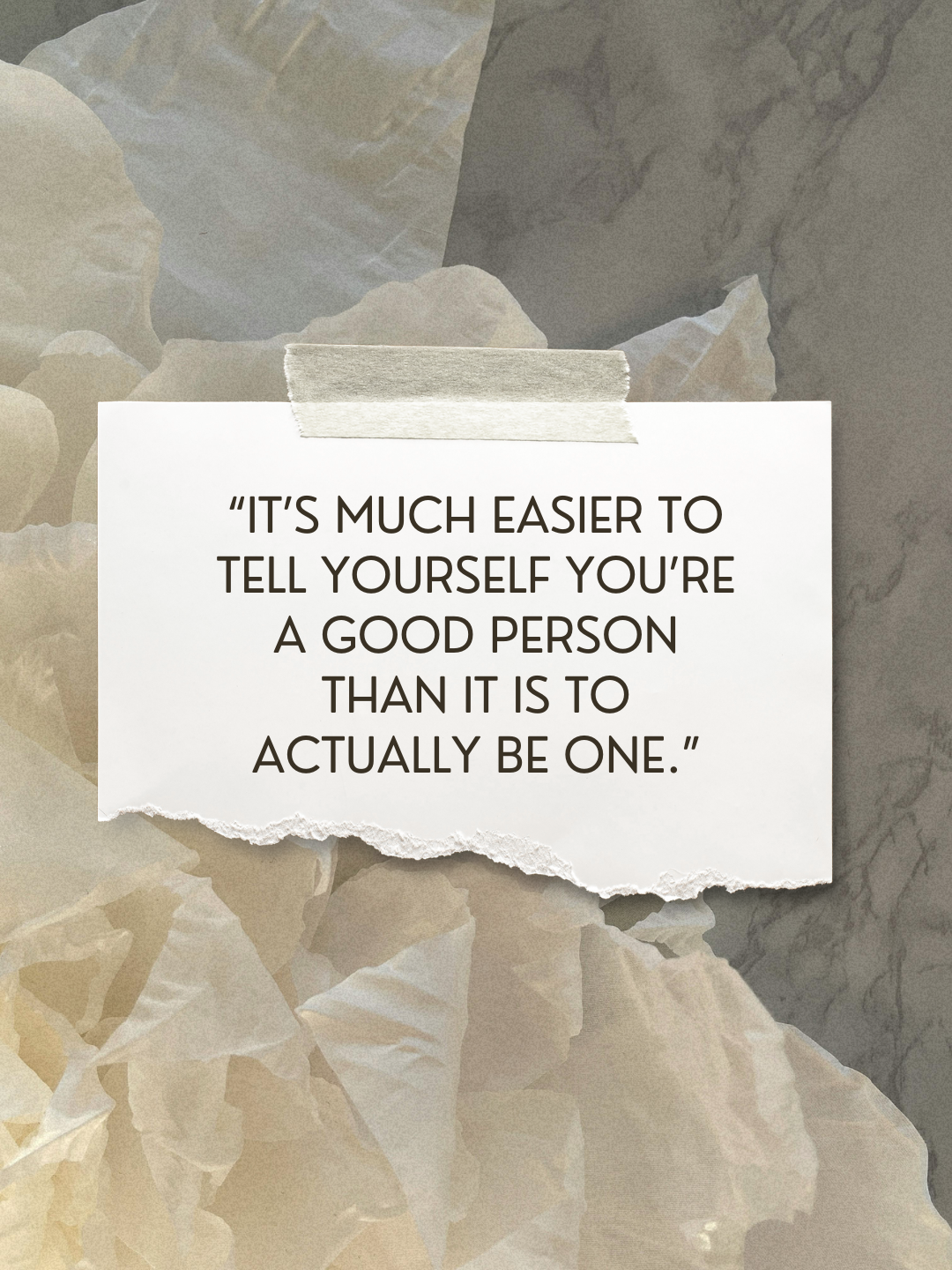
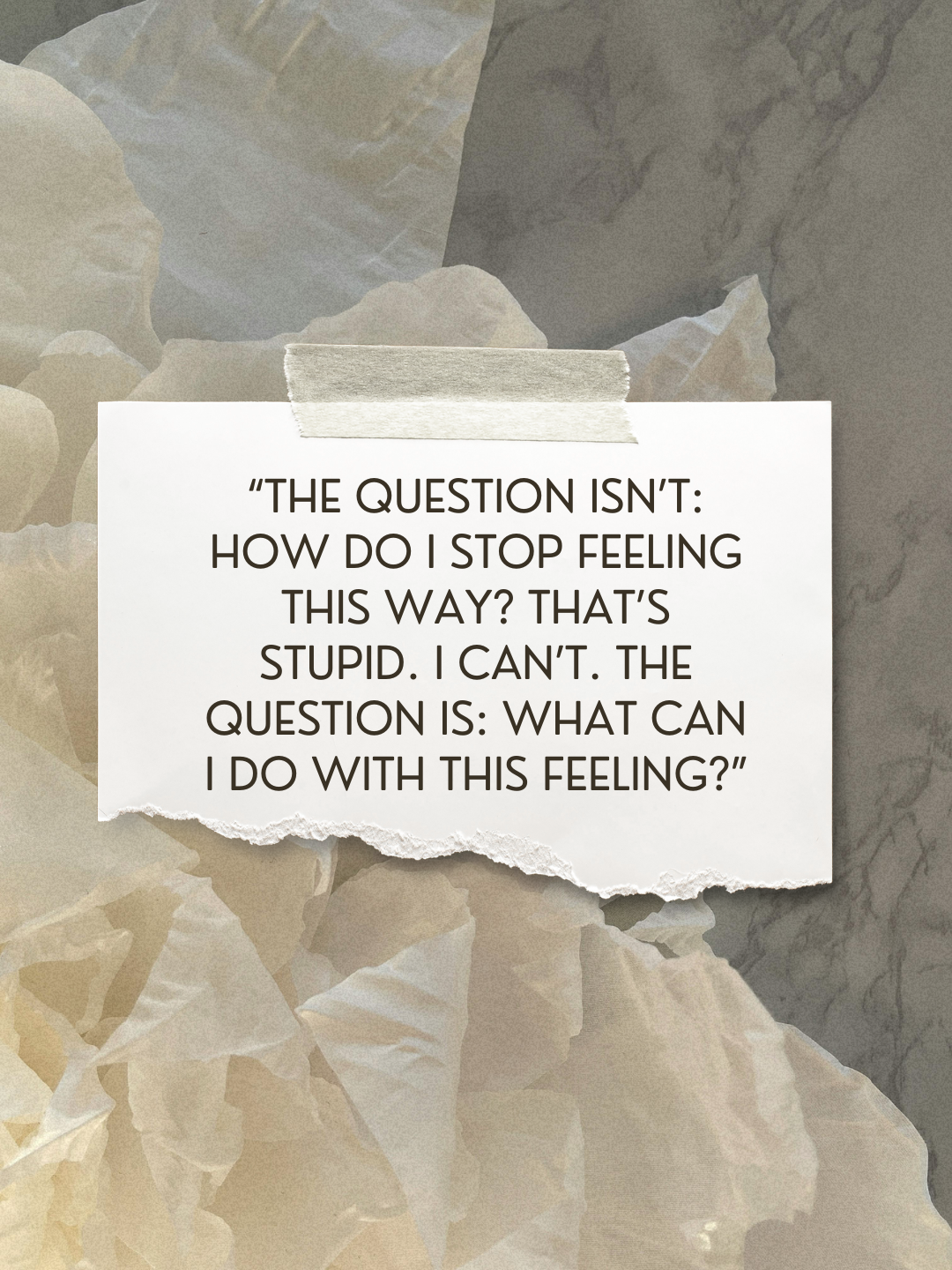
Quotes from Blood Over Bright Haven by M. L. Wang
The reality is, if you can't be bothered to drive to a friend's house instead of always making them drive to you, you aren't going to put yourself in front of an ICE officer to protect a neighbor. If you can't be bothered to go get a library card to support your local library, you aren't going to protest to protect our right to free speech. If you have any desire to build a better world, to protect your neighbors and support your community, then it's a good time to take a look at your habits and see where you can built better mental resilience. Future you will thank you, I promise.